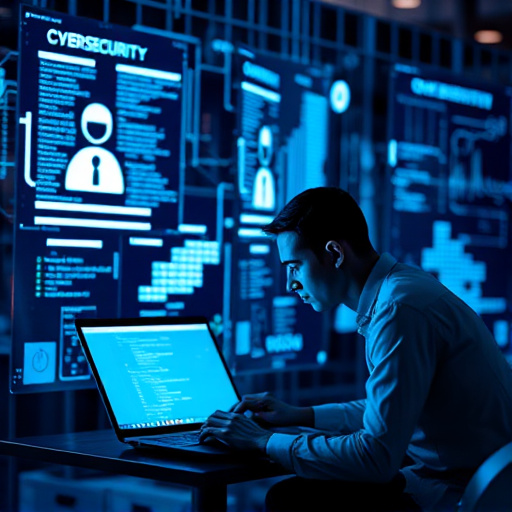
Our Cybersecurity Program Online equips you with the skills to protect digital systems. It covers topics like network security, ethical hacking, and data encryption, teaching you to identify and mitigate potential threats. With interactive modules and real-world scenarios, you'll gain hands-on experience to become a vital part of any cybersecurity team.
The digital age has brought unprecedented technological advancements, but it also presents unprecedented security risks. As our world becomes increasingly reliant on interconnected systems, protecting sensitive data and critical infrastructure from cyber threats is paramount. This is where a Cybersecurity Program Online steps in as a vital solution.
The growing complexity of cyber threats demands specialized knowledge and skills. The traditional classroom setting may not keep pace with the rapid evolution of cybersecurity landscapes. Hence, online programs offer a flexible and dynamic approach, equipping learners with the latest industry-aligned knowledge and hands-on experience.
By engaging in a comprehensive Cybersecurity Program Online, individuals can master core modules, explore specialized tracks, and gain practical skills through cybersecurity labs, ultimately positioning them as sought-after certified professionals in this high-demand field.
- Designing a Secure Online Cybersecurity Program
- Implementing Best Practices for Remote Teams
- Continuous Monitoring: Protecting Against Evolving Threats
Designing a Secure Online Cybersecurity Program

Designing a robust and effective Cybersecurity Program Online requires a strategic approach that aligns with the evolving digital landscape. The process involves several key steps to ensure the program meets industry standards and prepares students for the demands of the cybersecurity job market.
First, understanding the target audience is paramount. Unlike traditional on-campus programs, an online cybersecurity course must cater to diverse learners, from working professionals seeking upskilling to students new to the field. Therefore, the curriculum should be modular and flexible, allowing participants to learn at their own pace. This can be achieved through a mix of self-paced modules, live online sessions, and practical exercises. Core modules on network security and ethical hacking can be supplemented with specialized tracks on cloud security or incident response, catering to various career goals.
What does the Cybersecurity Program Online process involve? To the curriculum, effective online programs incorporate hands-on experience through cybersecurity labs. These virtual environments simulate real-world scenarios, allowing students to apply theoretical knowledge to practical challenges. Guest lectures from industry experts also add depth, ensuring the program stays current with emerging threats and technologies. The program should offer resources for continuous learning, such as online forums, networking opportunities, and job placement assistance, making it a comprehensive and rewarding educational journey.
Is Cybersecurity Program Online worth the investment? The demand for skilled cybersecurity professionals continues to grow, with job openings expected to increase significantly in the coming years. A well-designed online program can democratize access to quality cybersecurity education, enabling individuals from diverse backgrounds to enter this high-demand field. By combining industry-aligned content, flexible learning paths, and practical skills development, a Cybersecurity Program Online can offer a competitive edge in the job market.
Implementing Best Practices for Remote Teams

Implementing best practices for remote teams is a critical component of any Cybersecurity Program Online. As more organizations embrace distributed work models, securing communication channels and protecting sensitive data become paramount. A robust cybersecurity program must account for the unique challenges posed by remote work, such as increased vulnerability to phishing attempts, unsecure home networks, and potential insider threats.
A comprehensive Cybersecurity Program Online should include modules dedicated to remote team security. These modules should cover topics like secure remote access, encryption best practices, and risk assessment for remote workers. Training on Virtual Private Networks (VPNs) ensures that remote employees can access company resources securely. Educating teams on the importance of strong, unique passwords and multi-factor authentication for every account is essential to mitigate the risks of unauthorized access.
Choosing the right provider for your Cybersecurity Program Online is crucial. Look for a provider that offers industry-aligned curricula, hands-on cybersecurity labs, and guest lectures from experienced professionals. These elements ensure that the program stays current with evolving threats and provides practical, real-world experience. When evaluating providers, consider the breadth and depth of their specialized tracks. Tracks in cloud security, network security, and ethical hacking can equip graduates with a diverse skill set highly sought after in the job market.
A well-designed Cybersecurity Program Online, with a strong focus on remote team security, can be a major improvement for organizations. It not only equips employees with the knowledge to protect sensitive data but also fosters a culture of cybersecurity awareness. With high demand for skilled cybersecurity professionals, such programs can provide a significant competitive advantage and open doors to better job placement opportunities.
Continuous Monitoring: Protecting Against Evolving Threats

Continuous monitoring is a critical component of any robust cybersecurity program online. The evolving nature of cyber threats demands that organizations stay one step ahead, detecting and mitigating risks in real-time. A comprehensive online cybersecurity program goes beyond basic training by incorporating dynamic monitoring strategies that adapt to the ever-changing threat landscape.
To qualify for and benefit from a cybersecurity program online, organizations must first understand their unique risk profile. This includes assessing their network infrastructure, software dependencies, and employee cybersecurity awareness levels. Once qualified, the program should include a suite of tools and methodologies, such as automated threat detection systems, vulnerability assessments, and penetration testing. Regular penetration testing simulates attacks to identify weaknesses before malicious actors do, enhancing the overall security posture.
Choosing the right cybersecurity program online provider is crucial. Look for vendors who offer industry-aligned curricula, hands-on labs, and guest lectures from certified professionals. Ensure the program covers specialized tracks relevant to your sector, such as healthcare or finance, reflecting the specific challenges and regulations these industries face. Reputable providers also offer job placement assistance, networking opportunities, and continuous learning resources, ensuring graduates stay current with the latest threats and defenses.
Beyond initial enrollment, continuous engagement with the program is essential. Regular updates to the curriculum ensure graduates are equipped with the most relevant skills. Continuous monitoring practices, like threat hunting and incident response drills, reinforce proactive security measures. By embracing these strategies, organizations can maintain a robust defense against evolving threats, safeguarding their digital assets and sensitive data.
Frequently Asked Questions About Cybersecurity Program Online
What is a Cybersecurity Program Online?
A Cybersecurity Program Online is a structured, digital curriculum designed to teach individuals the skills needed to protect computer systems and networks from cyber threats. It offers courses in network security, ethical hacking, cryptography, and incident response, among others, allowing students to learn at their own pace from anywhere with an internet connection.
Who should consider enrolling in a Cybersecurity Program Online?
This program is ideal for individuals seeking a career in cybersecurity, IT professionals looking to specialize, or anyone interested in understanding and mitigating digital risks. It caters to diverse backgrounds, from complete beginners to experienced IT specialists, offering flexible learning paths.
What are the benefits of an online cybersecurity program over traditional classroom settings?
Online cybersecurity programs offer several advantages, including flexibility, accessibility, and up-to-date curriculum. Students can access materials anytime, anywhere, accommodating various schedules and learning styles. This format also allows for continuous updates to reflect the rapidly evolving field of cybersecurity.
How do I ensure the program I choose is reputable?
Look for programs accredited by recognized institutions or industry bodies. Read student reviews and check the faculty's qualifications and experience. Reputable programs often provide career services, industry partnerships, and opportunities for hands-on experience, such as virtual labs or capstone projects.
Can I transfer credits from other coursework toward a cybersecurity degree?
Many online cybersecurity programs allow for credit transfer, but policies vary. Contact the program's admissions or transfer office to understand their process and which credits might be eligible. This can save time and money, especially if you've already completed relevant courses.
What career opportunities can a cybersecurity program online offer?
Graduates of online cybersecurity programs can pursue roles as cybersecurity analysts, ethical hackers, network administrators, security consultants, or even cybersecurity instructors. The program equips students with skills sought after by industries such as finance, healthcare, and government, which are increasingly reliant on robust digital security.
The key to a robust cybersecurity program online lies in a multi-layered approach. By designing a secure platform, implementing best practices for remote team safety, and continuously monitoring for evolving threats, the cybersecurity program online can offer tangible benefits. This includes enhanced industry recognition, high-demand skills that employers seek, and improved job placement prospects. Continuous monitoring, in particular, is crucial for staying ahead of the ever-changing threat landscape.
Practical steps include integrating core modules with specialized tracks to cater to diverse skill sets, inviting guest lectures from industry experts, and setting up cybersecurity labs for hands-on experience. These strategies, coupled with a focus on real-world projects, equip participants with the necessary tools to navigate the complex digital landscape. The cybersecurity program online, with its industry-aligned curriculum, thus positions graduates as trusted professionals in a critical field.